

Introduction
How to take care of elderly parents at home is a common concern for many families today. As parents grow older, they may need additional support with their health, daily routines, emotional well-being, and safety.
There comes a time in life when our roles begin to change. The parents who once took care of us may eventually need our help and care in return.
Why Caring for Elderly Parents at Home Matters
Most senior citizens prefer staying in their own homes rather than moving to assisted living facilities. Home provides comfort, familiarity, and emotional security.
When elderly parents stay close to family members, they often feel more connected, supported, and valued. Home care also allows families to provide personalized attention based on their parents’ unique needs.
1. How to Take Care of Elderly Parents at Home Through Quality Time
One of the biggest challenges elderly parents face is loneliness.
As children grow up and become busy with careers and responsibilities, parents often spend more time alone. While they may not always express it, many seniors miss regular conversations and family interaction.
Simple activities such as:
- Having tea together
- Sharing meals
- Listening to their stories
- Watching television together
- Going for evening walks
can make them feel loved and emotionally connected.
Sometimes your time is more valuable than any gift you can buy.
2.Why Learning How to Take Care of Elderly Parents at Home Matters
A structured routine helps elderly parents feel comfortable and secure.
Try to maintain:
- Fixed meal times
- Regular sleeping hours
- Medication schedules
- Exercise routines
- Relaxation time
A consistent daily routine improves physical health, reduces stress, and creates a sense of stability.
3. Health Monitoring Tips for Elderly Parents at Home
Health monitoring becomes increasingly important as parents age.
Regular health check up can help detect problems early and prevent serious complications.
Important health practices include:
- Regular doctor visits
- Blood pressure monitoring
- Blood sugar checks
- Medication management
- Healthy eating habits
Keeping a medical file with prescriptions, reports, and emergency contacts can also be extremely helpful.
4. Make the Home Safe for Seniors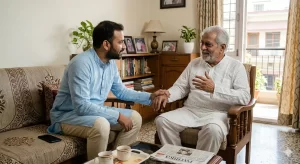
Falls are one of the most common causes of injury among older adults.
Fortunately, simple changes can significantly improve safety.
Consider:
- Removing slippery rugs
- Installing bathroom grab bars
- Improving lighting
- Keeping walkways clear
- Using non-slip mats
A safe home helps seniors remain independent while reducing the risk of accidents.
5. Provide Emotional Support
Growing older can sometimes be emotionally challenging.
Many elderly parents experience:
- Loneliness
- Anxiety
- Feelings of isolation
- Fear of dependency
Instead of dismissing their concerns, listen patiently and show empathy.
A kind conversation can often provide more comfort than practical solutions.
6. Encourage Light Physical Activity
Staying active helps seniors maintain strength, flexibility, and overall health.
Suitable activities include:
- Walking
- Light stretching
- Yoga for seniors
- Gardening
- Gentle household tasks
Regular movement supports heart health, improves mood, and helps maintain mobility.
Always consult a doctor before starting a new exercise routine.
7. Help Them Stay Socially Connected
Social interaction is essential for emotional well-being.
Encourage your parents to:
- Meet friends and relatives
- Attend community events
- Join senior groups
- Participate in religious activities
- Use video calls to connect with family
Social engagement helps reduce loneliness and keeps seniors mentally active.
8. Respect Their Independence
One common mistake family members make is becoming overly protective.
While support is important, elderly parents should still be encouraged to make decisions and handle tasks they can safely manage.
Respect their opinions and involve them in family discussions.
Maintaining independence helps preserve confidence and self-esteem.
9. Let Them Enjoy Life
Aging doesn’t mean giving up on happiness.
Many elderly parents still enjoy:
- Traveling
- Visiting temples
- Spending time in nature
- Meeting relatives
- Pursuing hobbies
Encourage activities that bring them joy and create positive experiences.
Life should be about living, not simply passing time.
10. Consider Professional Care When Needed
There may be times when professional assistance becomes necessary.
Professional caregivers can help with:
- Daily personal care
- Medication management
- Health monitoring
- Mobility support
- Specialized medical assistance
Seeking help is not a sign of weakness. It simply ensures that your parents receive the care they deserve.
Frequently Asked Questions (FAQ)
How can I take care of elderly parents at home?
You can care for elderly parents by maintaining a healthy routine, monitoring their health, ensuring home safety, providing emotional support, and spending quality time with them.
What are the biggest challenges in elderly care?
Common challenges include managing health conditions, preventing loneliness, ensuring safety, and balancing caregiving responsibilities.
Why is emotional support important for elderly parents?
Emotional support helps reduce loneliness, anxiety, and feelings of isolation while improving overall mental well-being.
How can I make my home safer for elderly parents?
Install grab bars, improve lighting, remove slippery surfaces, and keep frequently used items within easy reach.
When should I consider professional caregiving services?
Professional care may be helpful when seniors require medical assistance, mobility support, or daily care beyond what family members can provide.
Final Thoughts
Learning how to take care of elderly parents at home is about more than meeting physical needs. It is about giving back the love, care, and support they once gave us.
The smallest gestures—sharing a meal, listening to a story, helping with daily tasks, or simply spending time together—can have a lasting impact on their happiness and well-being.
By focusing on health, safety, emotional support, and meaningful family connections, you can help your elderly parents enjoy a healthier, happier, and more fulfilling life at home.