
The Complete Guide to Hand Made Tote Bag Manufacturers in 2026
In a world moving toward sustainability and unique branding, hand made tote bag manufacturers are rapidly growing in demand. Whether you’re a retailer sourcing products or an entrepreneur launching your own eco-friendly brand, finding the right manufacturer is critical. This comprehensive guide walks you through what hand made tote bags are, how they’re produced, why they’re in demand, and how to select the best manufacturers for your needs.
1. What Are Hand Made Tote Bag Manufacturers?
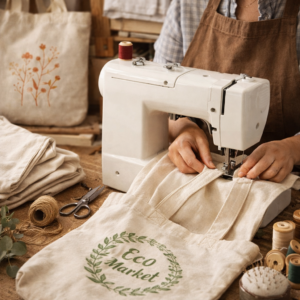
Hand made tote bag manufacturers are specialized producers who craft tote bags using manual processes rather than fully automated machines. These manufacturers often use materials like cotton, canvas, jute, or recycled fabrics to build sturdy, eco-friendly bags that customers love. Unlike mass-produced totes, custom handmade tote bags reflect artisanal quality and attention to detail.
Key Focus: Quality, craftsmanship, and sustainability differentiate these producers from bulk machine-made alternatives.
2. Why Choose Hand Made Tote Bags in 2026?
There are strong reasons behind the rising popularity of hand made tote bags:
2.1 Sustainability & Eco-Friendly Materials
Consumers today prefer products that reduce environmental impact. Manufacturers often use organic cotton, recycled fabrics, or eco-friendly tote bag materials to meet this sustainable demand.
2.2 Customization & Brand Identity
Handmade sourcing allows brands to request custom features — from printed logos to unique stitching styles — empowering businesses to build stronger brand recognition.
2.3 Quality & Durability
Compared to machine-produced alternatives, hand made tote bag manufacturers often offer superior attention to detail, stronger seams, and higher longevity.
3. Core Manufacturing Materials Used by Handmade Tote Bag Suppliers
Choosing the right materials is crucial. Most reputable hand made tote bag manufacturers focus on:
Organic Cotton: Breathable, renewable, and easily dyed
Canvas: Durable and perfect for daily use
Jute & Hemp: Naturally strong and biodegradable
Recycled Fabrics: Sustainable, reduces waste footprint
Each material affects cost, durability, and eco impact, so understanding them helps brands align with audience preferences.
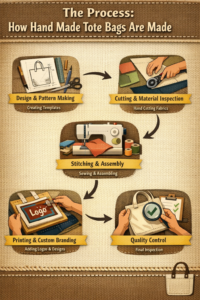
4. The Process: How Hand Made Tote Bags Are Made
Understanding the production steps helps you choose the right manufacturer:
4.1 Design & Pattern Making
The manufacturer develops a pattern based on your design or template. This step determines size, shape, and structure.
4.2 Cutting & Material Inspection
Fabric is carefully inspected and hand-cut to ensure quality and accuracy before assembly.
4.3 Stitching & Assembly
Experienced artisans sew panels together, add handles, pockets, and reinforce seams — often with double-stitching for durability.
4.4 Printing & Custom Branding
Custom printing (such as screen printing or embroidery) is applied at this stage to reflect your brand identity.
4.5 Quality Control
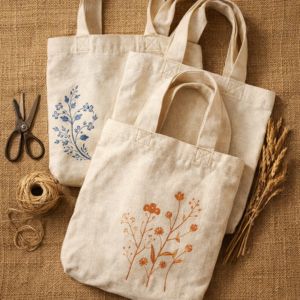
Each bag undergoes careful inspection to ensure strength, stitching, and design quality before shipment.
5. Wholesale vs. Custom Orders: What to Choose?
5.1 Wholesale Hand Made Tote Bags
Ideal for retailers needing products in bulk. Benefits include:
Lower per-unit cost
Ready-to-sell designs
Fast supply chain delivery
5.2 Custom Orders from Tote Bag Manufacturers
Perfect for brands wishing to differentiate. Advantages include:
Unique design options
Custom logo and branding
Direct control over material choices
Most hand made tote bag manufacturers offer both options — letting businesses scale from small orders to large bulk requirements.
6. How to Find Reliable Hand Made Tote Bag Manufacturers
Finding the right supplier is essential to ensure quality and reliability. Use the following steps:
6.1 Check Certifications
Reputable manufacturers often have certifications such as organic textile standards, eco-friendly material documentation, and quality assurance.
6.2 Request Samples
Before committing to bulk orders, always request samples to verify material and finishing quality.
6.3 Review Production Lead Times
Understanding the production timeline helps you plan inventory and launch cycles efficiently.
6.4 Evaluate Minimum Order Quantity (MOQ)
Different manufacturers have varying MOQs. If you’re a startup or small brand, confirm flexible MOQ options.
6.5 Ask About Customization Capabilities
Not all manufacturers offer printing, labels, or design revisions — so confirm these services before signing contracts.
7. Pricing & Cost Factors for Handmade Tote Bags
Several factors influence pricing:
Material type: Organic cotton and canvas typically cost more than standard cotton.
Customization: Logo printing and unique design features add to cost.
Quantity: Higher bulk orders usually lower per-unit costs.
Production Location: Local manufacturers may cost more but offer faster turnaround.
Understanding these elements helps you negotiate pricing and plan budgets effectively.
8. Top Trends in the Hand Made Tote Bag Industry (2026)
The industry is evolving fast. Key trends include:
Increased Demand for Reusable Bags: Driven by eco-conscious consumers.
Smart Tote Features: Pockets for tech, expandable designs, and innovative closures.
Ethical Manufacturing: Producers focusing on fair-wage labor and transparent processes.
As the market grows, manufacturers that adopt sustainability and craftsmanship are gaining competitive advantage.
9. Conclusion: Choosing the Right Tote Bag Manufacturer For Your Brand
Whether you need handmade tote bags in bulk, custom printed eco bags, or premium cotton designs, selecting the right manufacturer is crucial for success in 2026.
Keep these priorities in mind:
✔ Sustainability of materials
✔ Quality and craftsmanship
✔ Customization and branding options
✔ Reliable delivery and MOQ flexibility
By partnering with reputable hand made tote bag manufacturers, businesses can deliver high-quality products that resonate with conscious customers — ensuring both profitability and brand loyalty.
Ready to Source Tote Bags for Your Business?
Start by listing your design needs, quantity requirements, and sustainability goals — then reach out to manufacturers for samples and quotes. The right partner can transform your product line and elevate your brand.